
I pay for Netflix, HBO Max, Disney+, and Apple TV. Some weeks we watch two movies. Some weeks none. I keep paying regardless. It doesn't feel fair.
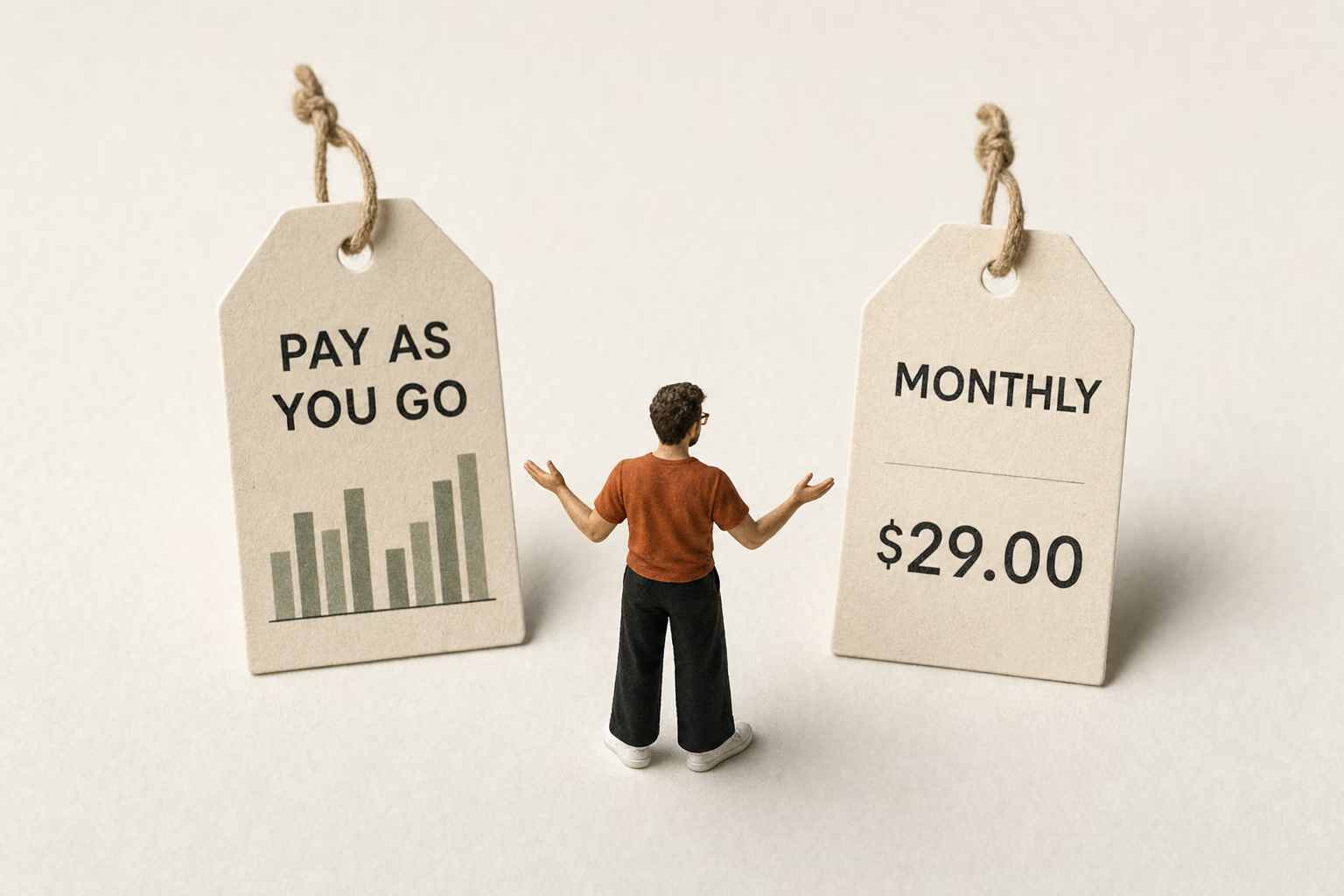
When I started building pricing for Edicek, I knew I didn't want that. No monthly fee you pay whether you use the app or not. Instead, pay-as-you-go. You buy 250 credits for a dollar. A chat message costs around 40 credits. A page screenshot costs more. If you don't use it, you don't pay. If you don't care about screenshots, turn them off and save your credits.
I thought this was the honest approach. People I worked with early on agreed. They'd used tools like My Mind and hated paying full price for something they opened twice a month. Pay-as-you-go felt like the right answer.
Then I started showing Edicek to people outside my developer bubble. Non-technical users. And the first question was always the same: "So how much will this cost me per month?"
I couldn't answer that. It depends on how much you use it. That's the whole point. But for them, that wasn't a feature. It was a problem. They didn't want to think about credits every time they saved a bookmark or sent a message. They wanted one number.
That's when it hit me. Fair and predictable are two different things. As a developer, I'm used to paying for infrastructure based on usage. DigitalOcean bills fluctuate and that's fine. But most people don't think like that. They want to know what they're signing up for.
So now I'm building something in between. Three tiers. A free plan where you can still buy credits, just at a worse rate. A basic subscription with credits included. And a pro plan with the best credit ratio plus extra features. If you run out of credits on any paid plan, you buy more.
The pay-as-you-go stays. If you barely use Edicek, you never have to subscribe. That's still important to me. But if you use it daily, you get a predictable price and better value.
I don't think subscriptions are inherently unfair. I think lazy subscriptions are. The ones where everyone pays the same regardless of usage, where light users subsidize heavy ones. The goal is a model where the price reflects what you actually get. Predictable enough that you know what you're paying. Fair enough that you're not paying for what you don't use.
I'm still figuring out the exact numbers. But the principle is clear: 95% of what a user needs on their tier should be covered. No surprises.